What Insurers Really Want to See When Placing Risks: Insights from Broker Expo
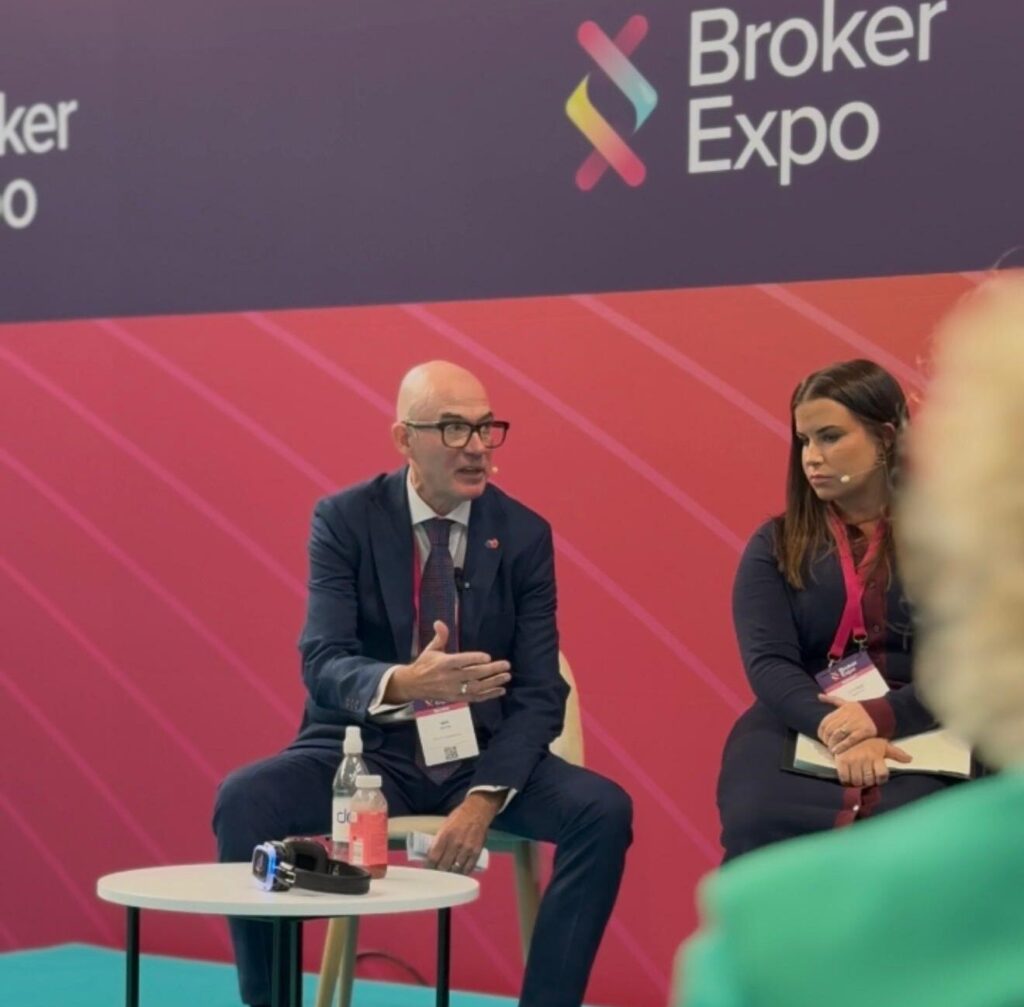
At this year's Broker Expo, DCL's Head of Retail New Business, Ian White, joined a panel of industry experts on the main stage to discuss the evolving relationship between brokers and underwriters, what makes a risk stand out, and how insurers can work more effectively with brokers.
The discussion highlighted a theme that continues to shape successful insurance placements: communication. While technology has undoubtedly transformed the industry, the value of strong broker-underwriter relationships remains as important as ever.
Every Risk Has a Story to Tell
One of the questions put to the panel was how new brokers should approach underwriters with a potential risk.
According to Ian, perfection isn't the expectation.
"I think when a broker submits a risk not every risk is going to be perfect, you're going to have clients that have had accidents in the past. I think the broker just needs to explain what went wrong and give us some information on why we should write that risk and why that incident won't happen again."
For underwriters, the details behind a claim or incident often matter just as much as the incident itself. Understanding what happened and, more importantly, what has changed since then can make a significant difference when assessing a risk.
Is Face-to-Face Communication Still Important?
As digital communication becomes increasingly dominant, the panel discussed whether the industry is losing its face-to-face culture.
For Ian, personal conversations remain invaluable.
"You get a submission emailed through, the submission will give you the facts, but by having that face-to-face conversation with the broker you get to understand the risk. Basically, what you're trying to do is predict how it's going to run in the future and if you get an email presentation that's not going to tell you. Sitting down and having that face-to-face communication with the account exec, with the account director, you get to understand the risk and you realise why you should be looking to write it rather than declining it."
While presentations provide key information, conversations add valuable context and help underwriters build a fuller picture of the risk. That additional insight can help underwriters build a clearer picture of a risk and make more informed decisions.
What Makes a Submission Stand Out?
The panel also explored what underwriters look for in a standout submission.
Ian's view was clear: be transparent and explain what has changed.
"If there's been a bad accident, if there's been a certain driver involved and that driver is no longer driving or the driver hasn't had an accident in the last 12 months but has spent time doing a 2-day driving course, just let us know that. Yeah, it has had a bad accident, there's a big, large reserve sitting on the claim experience, but here's a reason why it shouldn't happen again."
Technology and Underwriting Must Work Together
AI was another major topic of discussion, with panellists sharing their views on how technology is changing underwriting.
Ian believes technology has a valuable role to play, but not at the expense of underwriting expertise.
"There is a place for technology, but it's got to work hand in hand with an underwriter. Someone's still got to underwrite the risk but with the use of technology to assist them."
As insurers continue to invest in automation, striking the right balance between technology and human judgement will remain crucial.
Building Better Broker Relationships Through Communication
When asked how insurers can better communicate their appetite to brokers, Ian again returned to the importance of proactive communication.
"It's about having that communication with the broker. If you've got a new product or you're developing something, don't wait until the day it goes live. Get it out in advance, say we've got good news coming soon so [brokers] want to know about it. Make sure it's hitting their inbox and it's getting to the right people as well. You get an email come through, if it's not going to the right person, it's not going to get filtered round the staff, that can be a problem"
The Importance of Claims Service
A further point raised during the discussion focused on claims service and transparency.
"You don't know how good the claims service is until an accident actually occurs and at DCL, we have a claims portal and it's all real time information so the client, the broker, they can all log on there and see the current status of the claim."
For brokers and clients, visibility and transparency throughout the claims journey remain key factors in delivering a positive customer experience.
Key Takeaways from the Panel
The Broker Expo discussion reinforced several important lessons for brokers and insurers alike:
- Face-to-face conversations continue to bring risks to life, helping underwriters understand the story behind the submission.
- Transparency around claims history but also risk improvements help underwriters make better decisions.
- Strong communication builds stronger broker-underwriter relationships.
- Claims transparency remains a critical part of delivering excellent service.
As the industry continues to evolve, one message from Ian's contributions remained consistent throughout: successful risk placement is built on communication, understanding and collaboration between brokers and insurers.